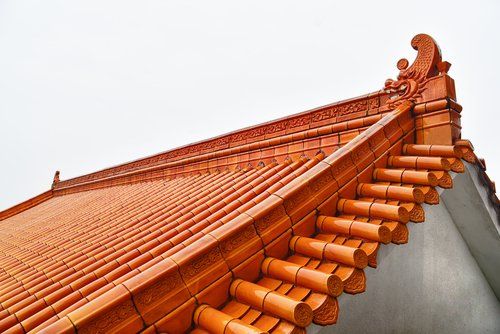
The Dust Nobody Warns You About: Cleaning Your Home After a Roof Replacement
Prepping the inside of your house before tear-off day — and getting the fine dust out afterward
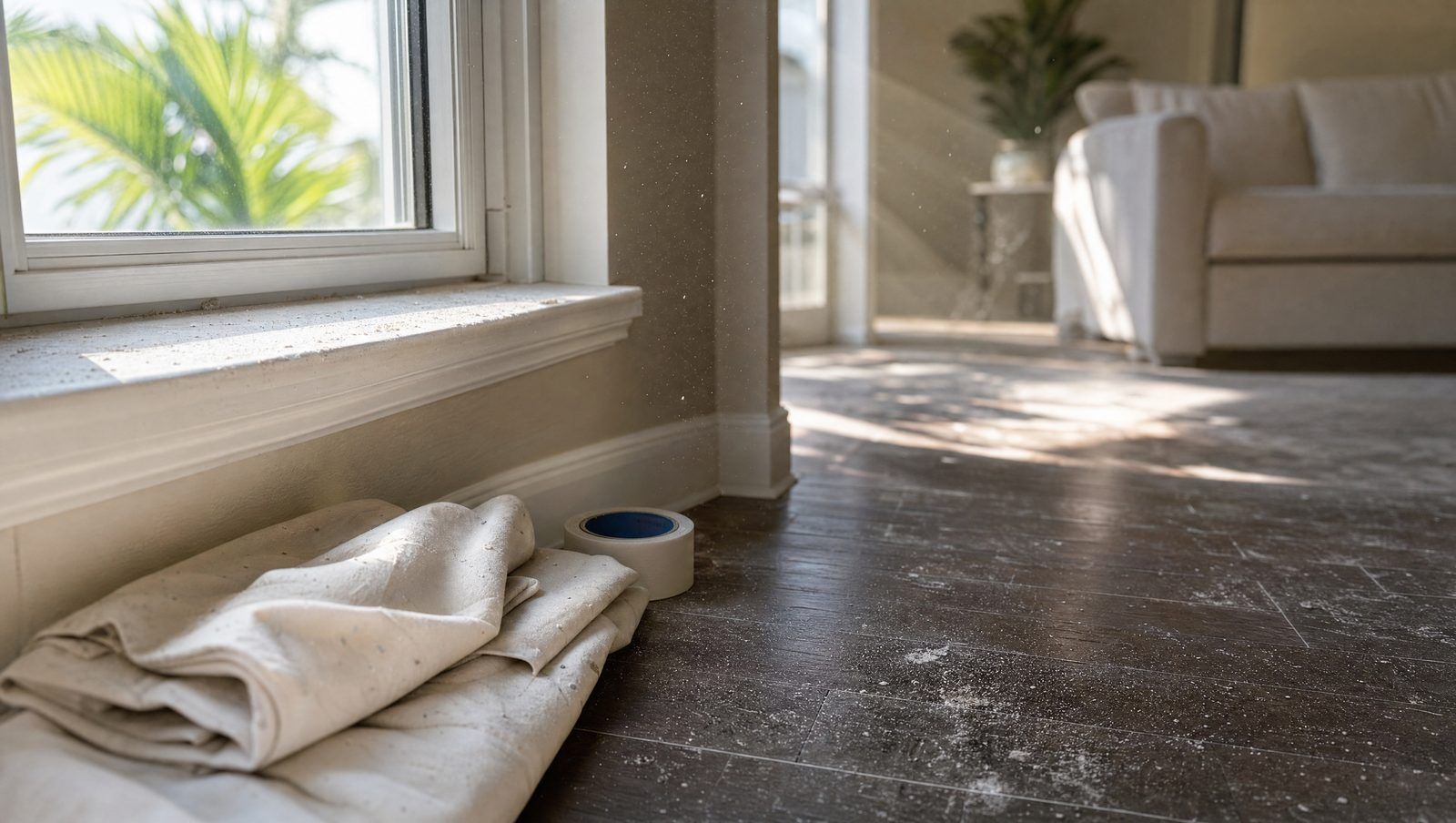
Most homeowners spend weeks thinking about the outside of a roof replacement — the shingle color, the dumpster in the driveway, where the crew will park. Almost nobody thinks about the inside of the house until the job is done and there's a fine gray film on the dining room table.
That film is normal. Here's why it happens, how to keep it to a minimum, and how to get your home actually clean once the last nail is picked up.
Why Roof Work Shakes Dust Loose Inside Your Home
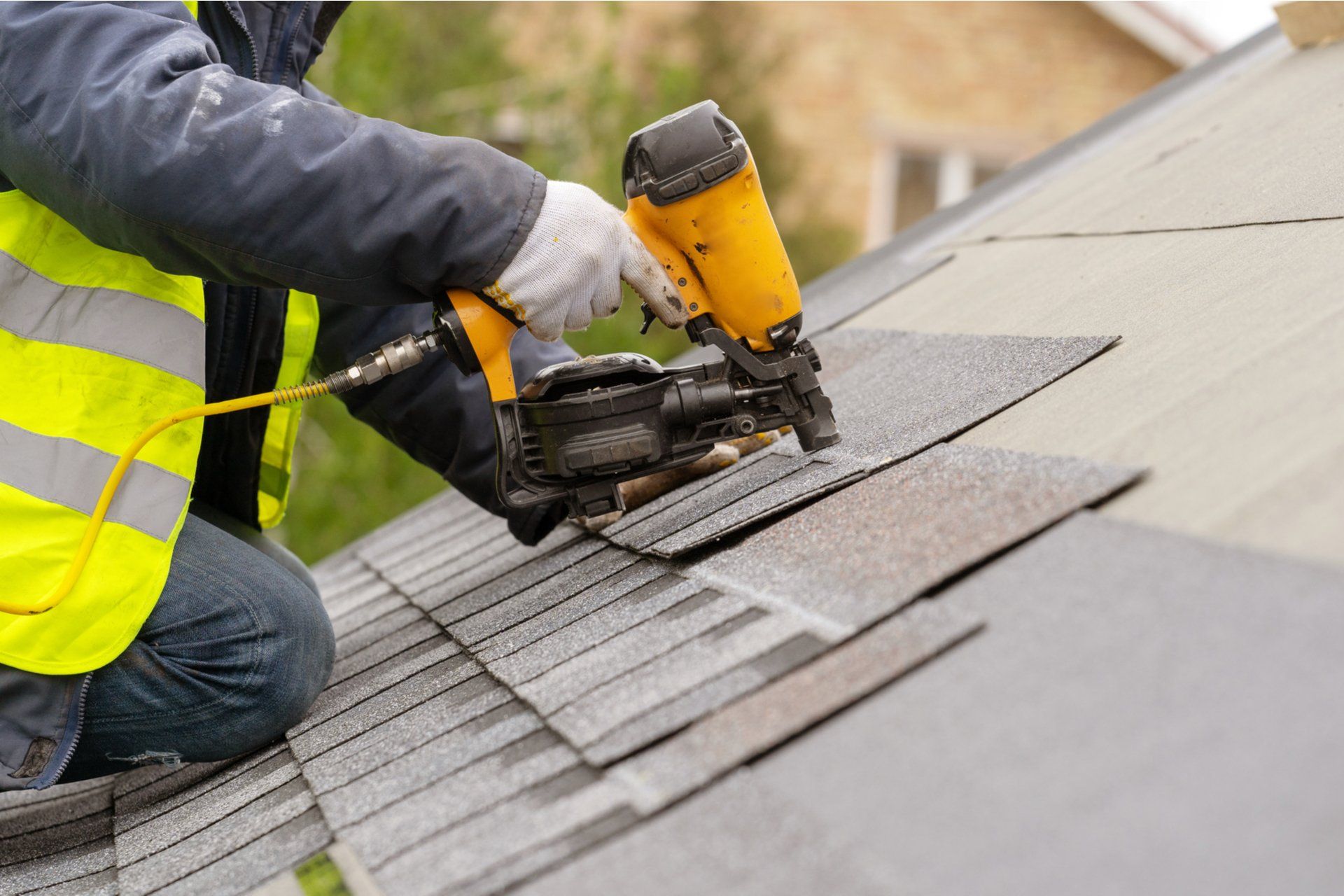
Tearing off a roof is a percussion job. Thousands of hammer blows and the scrape of tear-off shovels vibrate the decking, and everything sitting on top of your ceiling — decades of attic dust, insulation fibers, the grit that blew in through soffit vents — gets knocked loose.
Gravity does the rest. That debris sifts down through recessed light housings, ceiling fans, AC registers, attic hatches and the tiny gaps around crown molding. Even a tight, well-built home breathes during a tear-off.
The Rooms That Catch the Worst of It
Rooms directly under the work zone take the most fallout, especially ones with can lights or ceiling fans. Closets are sneaky victims too — attic dust drifts down through the access panel and settles into clothes that hang undisturbed for weeks.
Your air conditioning can spread the mess further. If the system runs during tear-off, returns pull fine particles in and push them through every room in the house, which is why the dust sometimes shows up in rooms nowhere near the roofline.
Prepping the Inside Before the Crew Shows Up
Cover what you can't move. Old sheets over beds, sofas and electronics cost you ten minutes and save you hours.
Empty the attic of anything you care about, or at least drape it. Attic contents sit closest to the hammering and catch the heaviest debris.
Run the AC on a schedule. Keep the system off during active tear-off hours if you can stand it, and swap in a cheap filter you don't mind sacrificing for the week.
Take pictures off the walls in rooms under the roofline. Vibration knocks frames crooked at best and off their hooks at worst.
The Deep Clean After the Last Shingle Goes Down
Once the crew leaves, clean top-down: ceiling fan blades and AC registers first, then sills, baseboards and furniture, floors last. Microfiber beats feather dusters here — construction dust is fine enough that a dry duster mostly just relocates it.
This is also the one part of the project plenty of Florida homeowners hand off. Post-construction cleanup is a standard service for professional cleaning companies — over on the Gulf side, house cleaning services in Tampa handle the after-the-contractors deep clean as a routine job, and most established cleaning crews here in Broward offer the same thing. If the dust layer covers the whole house, a one-time deep clean is money well spent.
Either way, plan on cleaning twice. Fine dust keeps settling out of the air for a day or two after the work ends, so the wipe-down you do Saturday will need a lighter second pass midweek.
One Last Check Before You Call the Job Done
Change the AC filter once all the cleaning is finished — it's been catching everything the ductwork picked up during the job. If anyone in the house has allergies, it's worth running the fan-only mode for an hour afterward to pull the last of the fine particles through the fresh filter.
Then take a slow walk around the yard. A good roofing crew runs a magnet sweep for dropped nails, but a second pass around play areas, pet runs and driveway edges is cheap insurance.
A roof replacement is one of the messiest good things you can do for your house. Prep the inside before the first hammer falls, budget for a real deep clean after, and the only evidence left will be the new roof over your head.