When Roof Moisture Doesn't Stay on the Roof: What Coral Springs Humidity Does Inside Your Home
A roof problem rarely stays a roof problem — in South Florida's humidity, moisture that gets past your shingles works its way down through the whole house, from attic insulation to the floors under your feet.
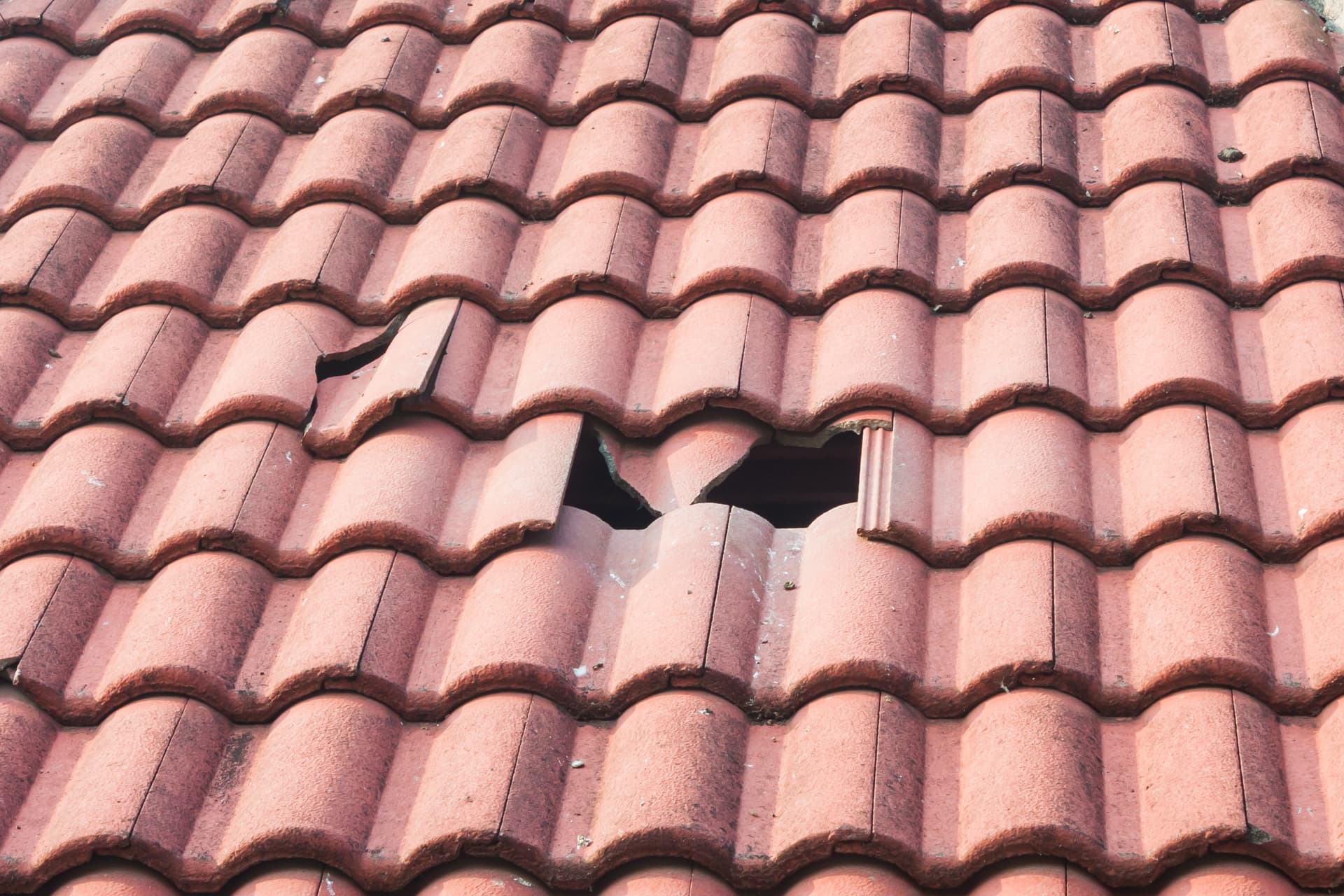
Ask any roofer in Coral Springs what they find when they open up a "small leak," and the answer is almost never small. Water is patient. A failed seal around a vent boot, a lifted shingle after a summer storm, or plain condensation in an unventilated attic doesn't announce itself right away — it soaks in, migrates, and shows up weeks later somewhere you didn't expect. Understanding how moisture moves through a house is the difference between a quick roof repair and a whole-home restoration project.
How Moisture Gets In — the South Florida Edition
Coral Springs roofs deal with a double assault. From the outside: summer downpours, wind-driven rain, and the occasional tropical system testing every flashing detail and fastener. From the inside: some of the most persistent ambient humidity in the country. When warm, moist air rises into an attic that isn't ventilated properly, it condenses on the underside of the roof deck — which is why a roof can develop moisture damage without a single drop of rain getting through. If you've ever wondered why your ceiling shows water stains during a dry week, condensation is usually the culprit.
The entry points are predictable: aging pipe boots, flashing around chimneys and skylights, nail pops, and clogged gutters that let water sit against the fascia. None of them look dramatic from the driveway. All of them are open doors.
The Path Downward: Attic, Walls — and Yes, Your Floors
Once moisture is inside the envelope, gravity and capillary action do the rest. First stop is attic insulation, which loses R-value fast when damp and can hide mold growth for months. From there, water tracks down framing and inside wall cavities, blistering paint and softening drywall along the way.
The last stop is the one homeowners think about least: the floors. During roofing work, particularly in humid or rainy conditions, homeowners should also understand how moisture and humidity affect flooring, as trapped moisture can damage finished surfaces and subfloors over time. Hardwood cups and crowns, laminate swells at the seams, and even tile can telegraph problems when the subfloor underneath takes on water. A roof leak that costs a few hundred dollars to fix can quietly total a floor that costs many times that to replace — which is why moisture readings on the floors below a leak belong in any thorough post-repair inspection.
Keeping the Whole House Dry Starts at the Top
The good news: every step of that damage chain is preventable at the first link. A properly ventilated attic keeps condensation from forming. Sound flashing and sealed penetrations keep storm water out. Twice-yearly gutter cleaning keeps runoff moving away from the structure instead of into it. And an annual roof inspection — ideally before storm season ramps up in June — catches the small failures while they're still small.
If you're in Coral Springs and haven't had eyes on your roof since last summer's storms, don't wait for a stain on the ceiling (or a soft spot in the floor) to force the issue. A quick inspection now is the cheapest insurance your house can buy — get in touch and we'll take a look before the next downpour does.